Remember my post about course maps? Well, the second marathon of the series will be in Canberra on 18 July and I need a map. Can you create a nice course for me? Make one and post on the comments!
Recovery week
If you look to the past, you have just completed a marathon and deserve a good recovery. If you look to the future, you are 3 to 4 weeks away from a marathon and you should be reaching the hardest weeks of training before tapering. See the dilemma here? With one every month these two scenarios are incompatible. But if you think a little bit more, you’ll get convinced that the recovery plan makes more sense. You can’t possibly peak at all 12 marathons. If you were planning something similar, as a coach I would tell you: focus on some key events and face the other marathons as long training runs. In my case, I don’t even know if I want to peak at any of them. I still have my triathlon goals and I’m just trying to fit everything in. My goal with the marathons is to make them special so that people get involved and support cancer research.
I’ve just been through my very first recovery week and I thought it would be worth sharing. It was more interesting than it sounds. Be prepared for lots of photos!
With so little time between consecutive marathons, the recovery needs to be quick and efficient. I can’t afford to have a long break. So, let me start with the plan to then tell what really happened. With the race on Saturday, my plan was to go to the pool on Sunday for a light swim and then go for a walk for a few kilometers. Then a rest day on Monday followed by an easy flat run on Tuesday. Wednesday was still a question mark: either resting again or another light run depending on how I felt. On Thursday I would be taking the early bus to Barcelona to fly back to Australia. My arrival in Sydney was scheduled for 5:00 am on Saturday and I was expecting to do a medium distance easy run on Sunday. This last run was intended to be the point where my mind should switch from “relax, you just finished a marathon” to “get ready for the next one!”
Just after the “finish line” (there wasn’t really one) I did the usual: walk, stretch, drink, eat, repeat. Lots of repeats. This marathon had also lots of talking as the friends wanted to know how it all went. It had beer, something that is not offered after normal races, and also had the special “mountain pack” prepared by Miguelón from “El Laminero“, a local bakery from Benasque. The pack included a big “bocata de jamón” (should have taken a photo…), some pastries (including a chocolate croissant) and a big bag of cherries. Do I have to say again that this is not offered after official races? 🙂

A bit out of focus but it is the only one I have with Miguelón from “El Laminero“, my daily source of croissants in Benasque!
After enough of the walk/stretch/drink/eat repeats ,we had to walk back to the car that was parked at Hospital de Benasque (if you are a bit lost, check the post on the race). I learned the hard way that keeping your legs moving after a long race is a great way to avoid severe muscle soreness the day after. After my first two marathons I made the mistake to crash on the couch just after the much needed post-marathon shower. The results? I could barely stand on my legs afterwards, let alone walk. This time I had no option, so I walked another 4 km to the car and the restaurant where we had lunch.
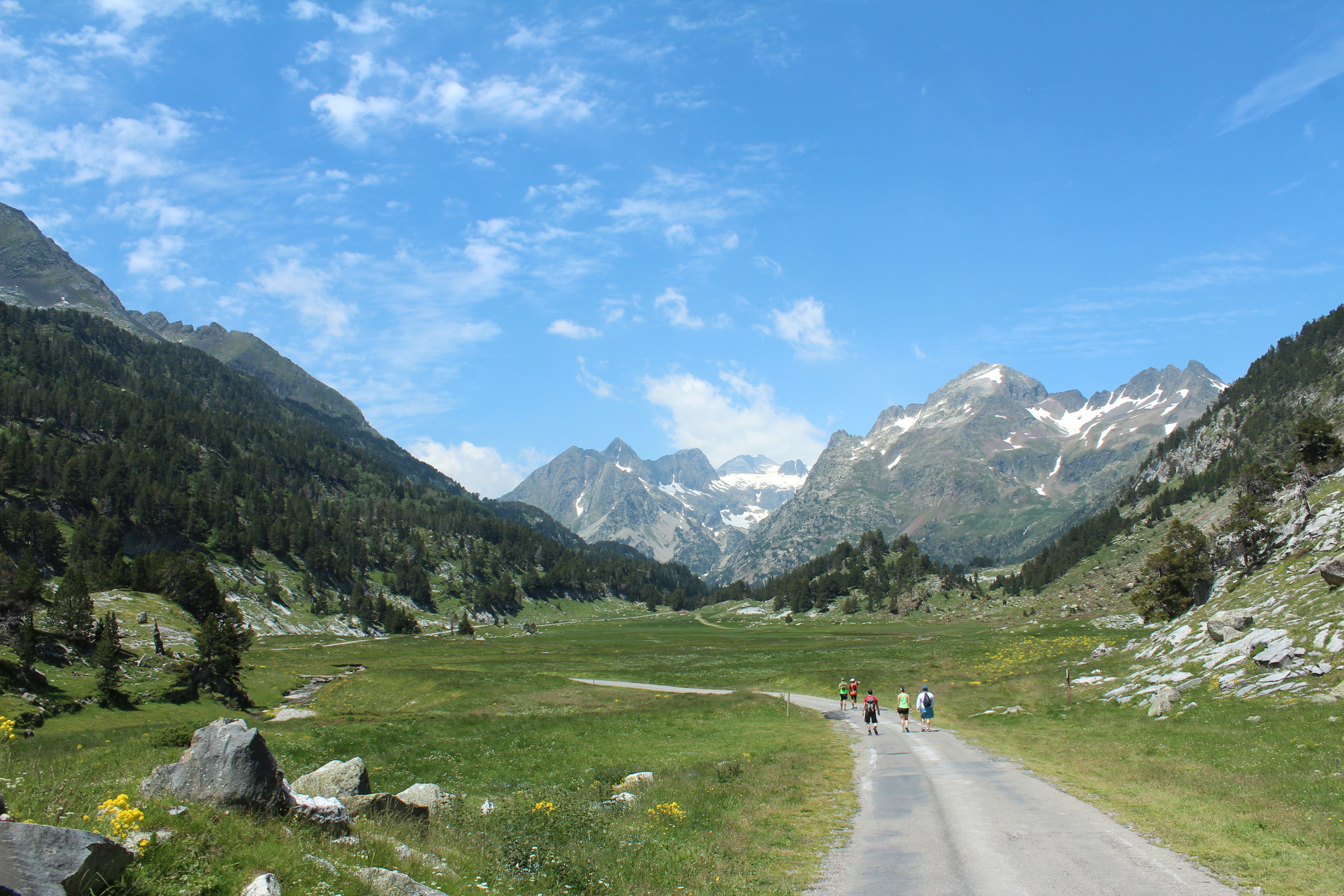
Walking back after the race.
For the next day the group had the plan to hike to the Portillon de Banasque and cross to the French side of the Pyrenees. I had done this hike in 2011 and wanted to do it again. So, I told them that, legs allowing, I’d join them. Sunday morning and I was feeling great. No signs that I had completed a tough marathon the day before. I was pleasantly surprised. Let’s go hiking!
We drove to Hospital de Benasque, the starting point for many of the hikes in the region, and there we met Maciej, another physicist from the workshop, and his sons Jan, Patrick, and Julien. The boys were about to start their hike up to peak of Salvaguardia. The Portillon was on the way so we went up together. I’ll let the photos do the talk about our way to the Portillon at 2444 m of altitude.
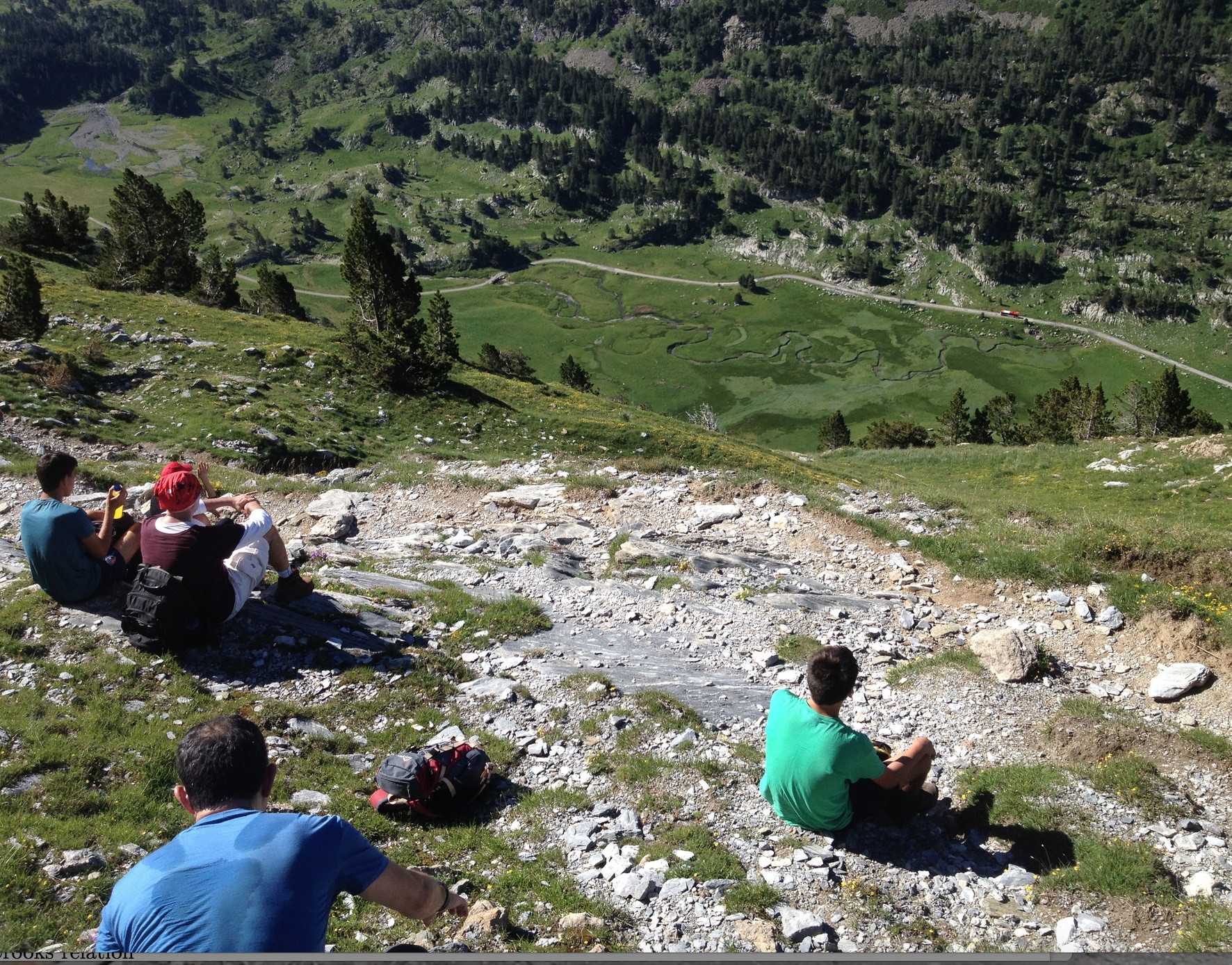
What you see down there is the road from Hospital de Benasque to La Besurta. Some fresh memories of running along that road 😉
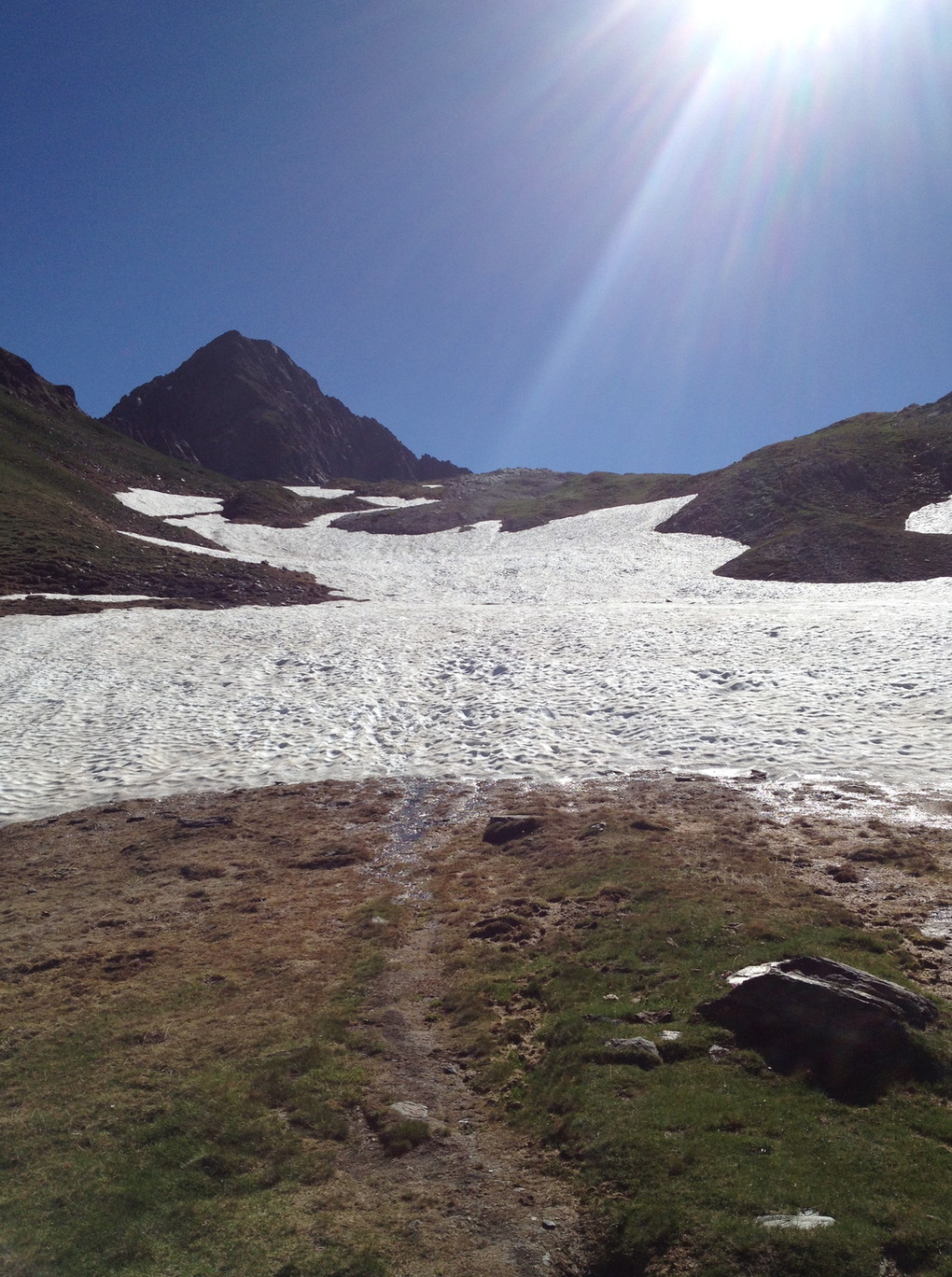
Wasn’t expecting that much snow…

Jan, Patrick and Terra.
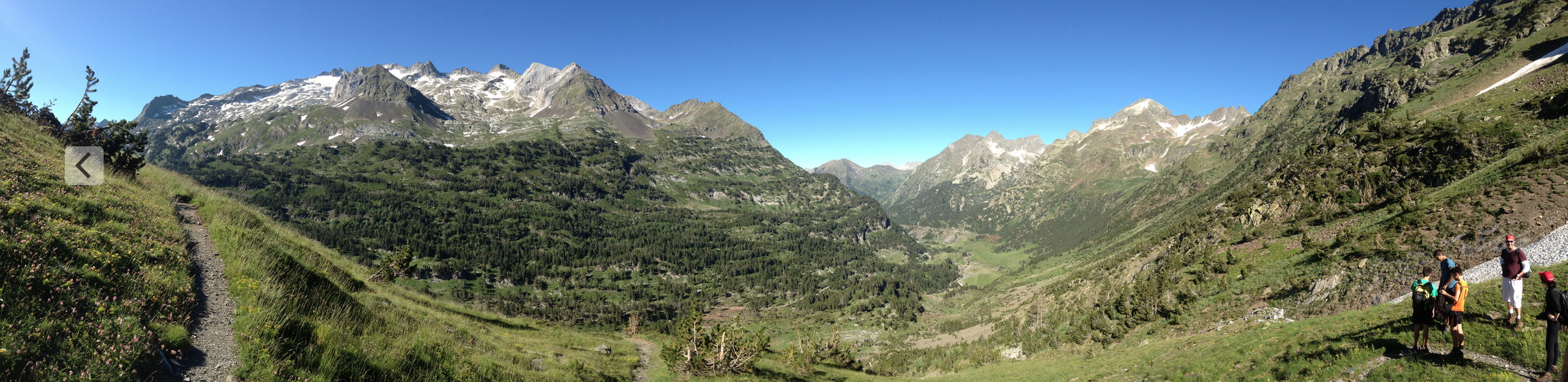
Panoramic view halfway through.
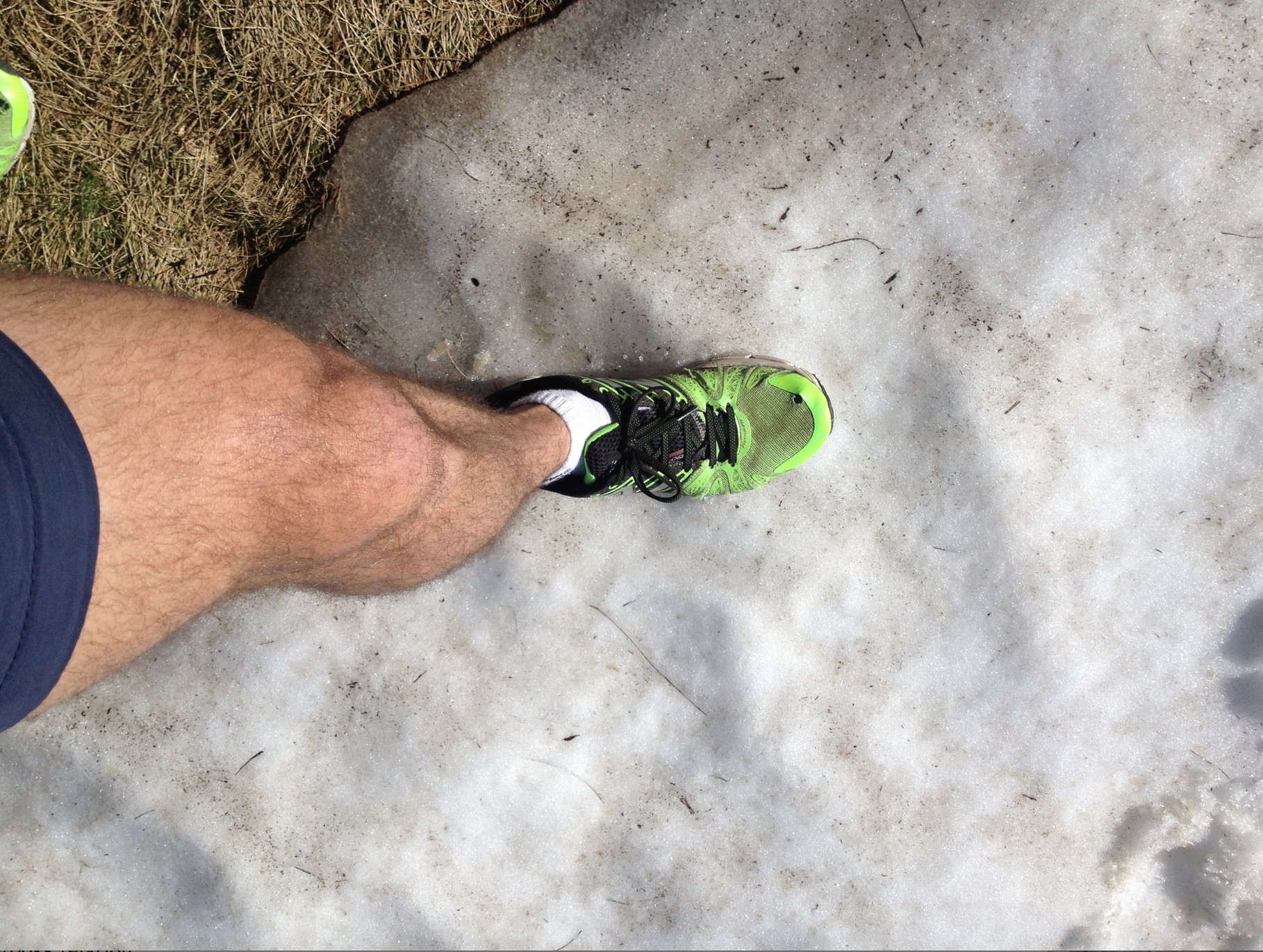
Someone with the wrong gear?
When you cross to the French side you are rewarded with the impressive view of these lakes. Down there we stopped to eat and have a beer at the Refuge de Vénasque. Terra and I had our bocatas from Miguelón’s mountain pack while Ruynet and Barbara decided to try the local soup.
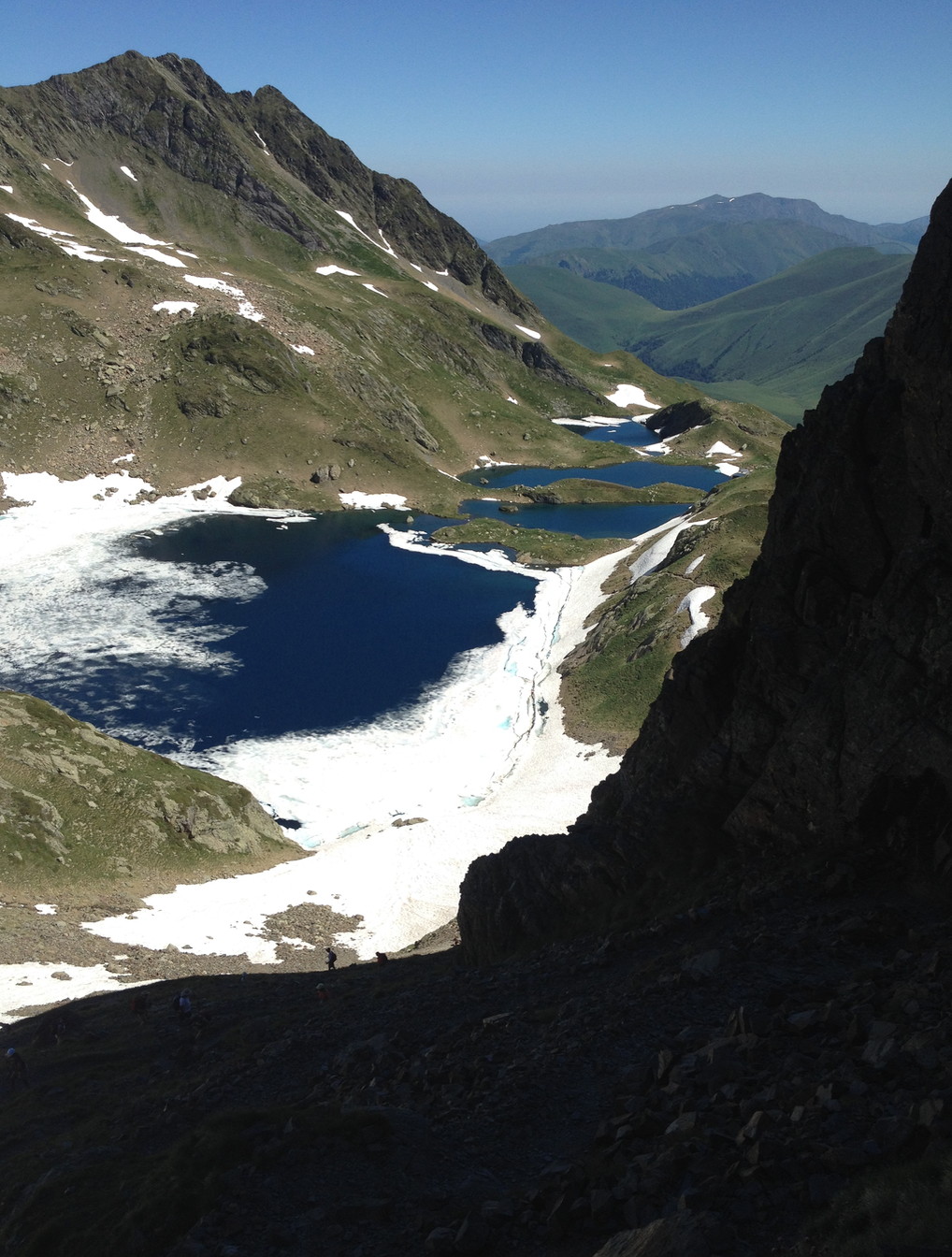
The view just after crossing the border.
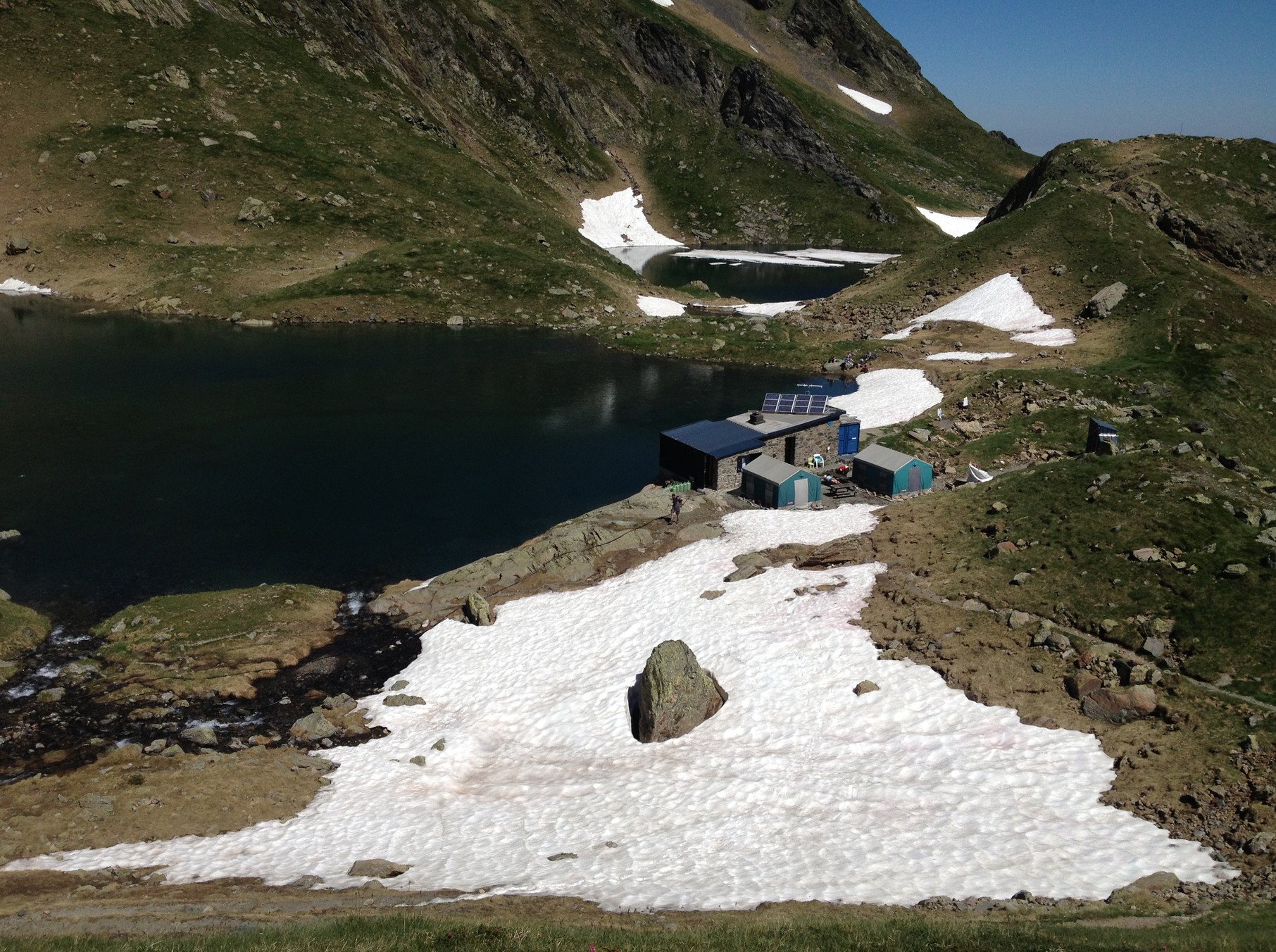
Le refuge.
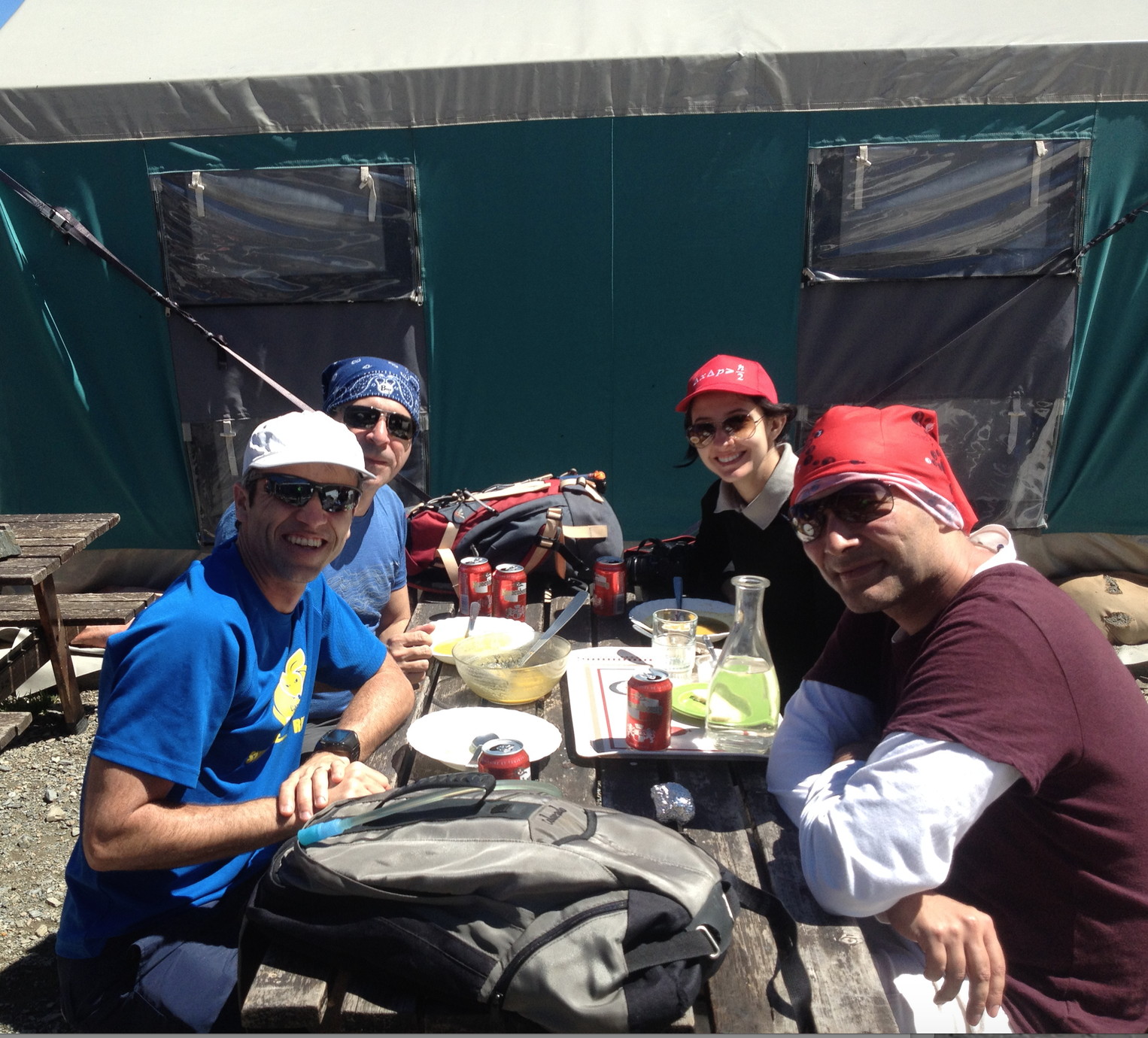
Nous mangeons!
After that, a quick check on the water temperature. Terra and I had a swim there four years ago but there was much, much less snow. It was tempting to repeat the feat…

Terra displaying his swimming abilities.

Mobile and owner submersed in the freezing water. I don’t think I lasted 10 seconds.
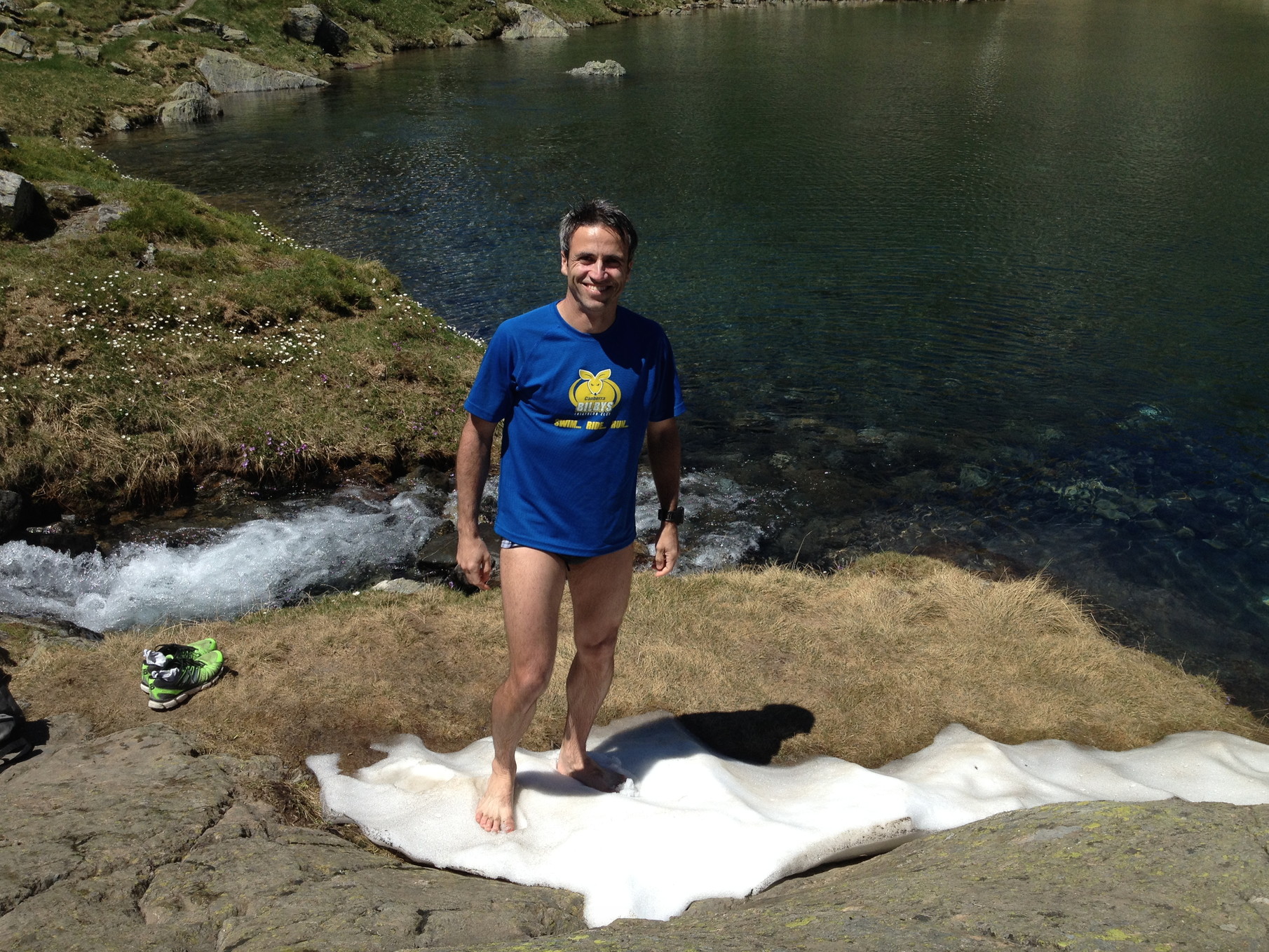
The water was freezing but I somehow managed to smile…
The legs were a bit sore the day after, but not much. On Tuesday, as planned, I went for a light run. 10km and I felt great. On the same day I played (against the recommendations of the physio due to a recurring hip flexor injury) a football match with the other participants in the conference. The 7 pm football is already a tradition in Benasque and I couldn’t leave without scoring a goal! 😛
Since nutrition is also crucial to a good recovery, after the game I paid another visit to the restaurant Ansils, my all-time favourite! Bold claim? Maybe, but what can you say of a place where even the scrambled eggs leaves you speechless? I’ll finish the post in the same way I finished my dinner, with the best dessert ever: “la sopa de chocolate blanco” (white chocolate soup).

Simply the best!
Not your average marathon: race report
It took me a while to set the course but I had finally found one that I was happy with. I was so confident with my choice that I decided to post it on the blog. However, in one week things change…
So, I feel that I need to start this race report with the pre-race events.
Change of plans
I arrived in Benasque on Sunday and announced my plan to my “facebookless” friends. It was a mix of excitement and doubt. Given the number of climbs and their difficult, more doubt than anything else. I must admit that it hit me. On Monday morning, before the workshop started, I went straight up from Benasque to Cerler, a 350 m climb over 4 km, just to test my body. I ended up climbing over 600 m and running 11 km and felt awesome.
The word quickly spread and another friend, a runner that knows a lot about the trails in this region, came to me to make sure that I knew what I was doing. He was genuinely worried and I really appreciated that. Because it was coming from someone with his experience, I decided that I should put some extra thoughts on the course. I decided not to change. The plan of a steady climb for the first 21 km and running downhill for the second half sounded perfect to me.
But that was when my closest friends started to talk about how nice it would be if I could finish up in the valley, at a place that is the starting point of many mountain climbs. They could drive there, walk around the valley and wait for me at a small hut called La Besurta, where we could celebrate the end of the first marathon with beer and food. Now, this was tempting! They were excited about being part of the very first marathon of my crazy journey. The problem? Moving the end point to La Besurta would mean finishing climbing rather than cruising downhill.
For the next couple of days I would take my computer and play with maps in any spare time. I came up with horrendous courses with even more climbs than in the original one. It wasn’t looking good until I decided to include a loop from the hotel Hospital de Benasque and La Besurta. The loop wasn’t really flat, but compared with the other climbs that I would have to face, the 200 m of difference in altitude was nothing. That was it, course decided! The change came even with the bonus of a support crew in the last 12 km, and two runners to share the road with me: Carlos for 20 km and Nadja for the last 12 km.

Final course and elevation profile.
Race day
Six in the morning and I was already awake. No need for the alarm clock that was set just as a precaution. Vaseline for chaffing, band-aid for nipple bleeding, charged Garmin watch, camel back, energy bars and gels, sunscreen, hat, mobile phone, and the camera. Wow! I usually go with the minimalist style in official races but this was different.
I met Carlos at 7 am and we headed down to Anciles, then Eriste, and back up to Benasque on what was the easiest part of the course. I met Carlos for the first time in 2003 during a summer school in Les Houches, France. We met again in many other conferences since then, but this was the first time that we had the chance to talk about family, books, running or any subject that was not physics. It was a pleasant first 9 km.
We reached the base of the road to Cerler and Carlos stopped to read a book. I know, it sounds weird but was all planned. He wanted to keep me company for as long as possible but he also knew that 30km would be a struggle for him. His idea was to run the first 9 km, have a break while I climbed up to Cerler, and then join me again until the Hospital de Benasque where Nadja would take over to run the last 12 km with me. Brilliant plan!

From top left to bottom right: Anciles, up to Cerler, down from Cerler, Carlos waiting at the bottom.
So, there I was doing the first big climb of the day to the “pueblo más alto del Pirineo Aragonés” all by myself. I had done that climb twice in the past five days and was feeling confident. I begun strong but soon started to feel the intensity of that climb. Without my companion or music to distract me, I found myself in an anxious state of mind, wondering how many more hills like that I’d have to face.
I have always enjoyed the loneliness of a solo run, so I couldn’t imagine that being the issue. So I just focused on those few hard kilometers until Cerler knowing that I would pick up again on the way down. Many people hate running downhill. I love it! And to make it even better, my knees have never complained about it.
After a speedy downhill from Cerler, I joined Carlos again along the main road and soon we found ourselves running on a gravel road with the Ésera river on our left. I had crossed that road two years before on a bike but couldn’t remember how steep some of those climbs were. I remembered Ruynet, a friend that rode with me in 2013, complaining a lot. “Oh, yes”, I thought, “he had some good reasons to complain”.
Despite the hills, this was the nicest part of the marathon. We spotted a deer (my camera missed that), immersed our shoes in icy-cold water to cross to the other side of the river, and were chatting happily. We were both feeling great.

From top left to bottom right: (a) Carlos by the “Embalse de Paso Nuevo”, (b) Two happy chaps, (c) On the wrong side of the river, (d) Road to Hospital de Benasque.
After a while, however, Carlos started to feel a bit tired and begun to ask about the remaining distance. I then missed one turn to cross the river again and we had to come back. That was just before we reached the very steep slope that would take us to “Baños de Benasque”. “I remember this road”, I thought, to then alert Carlos: “This is a tough one. Hang in there because after that it should be easy”. When we reached the building of Baños de Benasque, my Garmin was indicating 29 km but we were not at the meeting point yet. Carlos had been following closely my updates on the distance and was psychologically more than ready to pass the baton to Nadja.
“Perdon hombre, I miscalculated and we still have a few kilometers to go.” I was feeling embarrassed but there was nothing to do but keep running. We finally reached the first car parking and no signs of the crew. “Are you OK Carlos?”, I asked. “I’m exhausted but let’s go to the next car park”, he said, “It is only 450 away”. We finally reached the hotel exactly at the 33rd km. There was no sign of the crew though. Carlos reached his final destination after 22 km and I was left alone again but, this time, feeling guilty for making my friend run extra three kilometers. He said he would wait for me there. I nodded and headed to La Besurta planning to take the path along the valley. Just before leaving the hotel car park, I faced hundreds of cows just walking towards me. I was fatigued and couldn’t really assess the risks of running towards the herd. Afraid of what their reaction would be I decided to turn back and take the road.
That was the toughest part of the race. I had reached the 33 km mark, legs were tired, Carlos had stopped and no signs of the crew. Marcelo, Terra, Ruynet, Ana, Barbara, and Nadja. None were there. The trees that protected me for most of the way were now gone and the sun was free to hit me. So it did, together with the loneliness and the ups and downs of the road to La Besurta. It didn’t take long to see the group of Brazilians walking up the road. “There they are!”, I thought, and immediately felt invigorated. I could see the smile in their faces, Barbara’s camera pointing at me, and Nadja on her bright lime green singlet bouncing on her feet ready to run. I said in Portuguese: “Tá F#$@&%*… mas tô bem”, something like “It is F#$@&%* hard but I’m OK”. My camera picked that and so did Barbara’s. It turned out she was recording a video and not taking photos at that stage. Anyway, at this point I could only think of how thankful I was to the cows that made me take that road.

From top left to bottom right: (a) the toughest part, the road to La Besurta. (b) Finally the crew! (c) Nadja “Speedy Gonzales” way ahead. (d) Nadja’s “Do I really need to go up?” moment. Apparently “Speedy” doesn’t like climbs.

A better view of the “crew”: Ana, Marcelo, Nadja, Terra, Ruynet and Barbara.
Nadja, the rabbit, made me increase my pace. I suddenly was running again in under six minutes per km, something that I hadn’t done since my way down from Cerler. Later she told me that she was trying to keep up with me… she was so wrong! We ran a little bit more towards La Besurta from where we were supposed to turn back to the hotel to then get back again by running on a loop. Having reached Hospital de Benasque with 33 instead of 30 km, I decided to turn back a little earlier to correct for that. At this point I realised that I left Carlos waiting in the wrong spot: it was La Besurta and not the hotel the finish line. That was OK, we had to head back to the hotel anyway.
Nadja and I ran down the road to the hotel and Carlos waved to us from the inside. “That was fast André”, he said. “I’m not done Carlos, the finish line is about 4 km away.” He told us to wait for him while he picked his backpack. The three of us ran together for the first time, I had just completed 39 km and the cows had left the valley open for us to run. Nadja was running in a solid pace ahead while Carlos and I were just cruising. “Go André”, he said, “I can’t run. I’ll just enjoy the walk and meet you there”. I pushed a bit harder to catch up with Nadja and we were together at a big rocky climb. She slowed down but I decided to keep going. I had found my strength again and was feeling as if I had just started, well, sort of. Mentally I was feeling strong but of course the legs were feeling the effect of the 1500 m of ascent until that point.

From top left to bottom right: (a) I didn’t quite get their joke but apparently it was funny. (b) The last nasty climb. (c) Happiness. (d) Official high five.
I left the climb behind and reached a mostly flat trail. I just made sure that Nadja was not far behind and that she had taken the right path. It was 41 km and I was almost there. I probably had a big smile on my face when the watch beeped 42 km. I took the camera that was sitting on the head mount and focused on the watch: 42.2 km. YES!!! I had just done it! I stopped and waited for Nadja. While approaching she asked: “Is that it? Have you reached the distance?” A yes and a high five later, and I was apologising for miscalculating the course. We still had a couple of kilometers to La Besurta. We ran for a bit more than a kilometer when we saw the last steep incline before the goal. We looked at each other, I looked at the watch and asked “Is 43.5 km good enough?” She immediately replied “Sure!” I stopped the watch and we walked up the hill. From the top of the hill we could see La Besurta and decided to run again just to make an impression to the rest of the crew but no one was there. Marcelo saw and came running towards us. It was all celebration, questions about the race, beer, “bocata” and croissant from Miguel (the baker from El Laminero), and photos, lots of photos. Carlos arrived shortly after to join the party.

Official group photo: Ana, Terra, Nadja, Marcelo, myself and Ruynet. Barbara was behind the camera 😉 .
Things were not over as we had to walk all the way back to Hospital de Benasque where the cars were parked. But who cares? I had just finished the hardest run of my life, surrounded by friends, and for a great, great cause. I couldn’t feel better.

The runners!
Airplane post: marathon #1 preview
Yesterday I left Canberra on my way to a workshop in Benasque, a small Spanish village at the Pyrenees. In the past 24 hours I have watched three movies, read a book, worked on a grant proposal rejoinder, eaten four airplane meals, and slept for a few hours. The problem? I’m still in an airplane!
I also watched a couple of sports documentaries: one about the 2015 Dubai marathon, and another about the Austrian cyclist Gerhard Gulewicz and his breathtaking attempts to win the Race Across America (RAAM). This reminded me that I have an extra reason, besides science, to be excited about this workshop. As you may have read in this post, Benasque is the place I chose to run the first marathon of my fundraising challenge. Since I have some time to spare before I’m asked “lamb or chicken” and before we land in Barcelona, I thought it was a good time to write a marathon preview.
I always knew that planning a marathon in Benasque would be challenging. There is no way to avoid the mountains. Of course you can limit the amount of climb by designing a course with multiple laps along a less hilly loop, but that would be no fun, would it? I studied some maps from the Wikiloc website and used my previous limited knowledge of the region to design a course. I was tempted to go to the lakes that I showed here, but that would involve some steep hiking over rocks rather than running, so I ditched it. Instead, I went with this* (similar to what I described here):
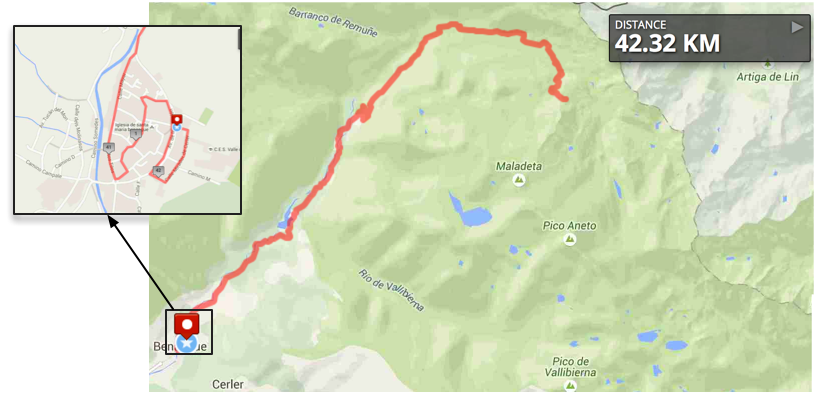
Course map for the first marathon. You can find the details at: http://www.mapmyrun.com/routes/fullscreen/747602475/
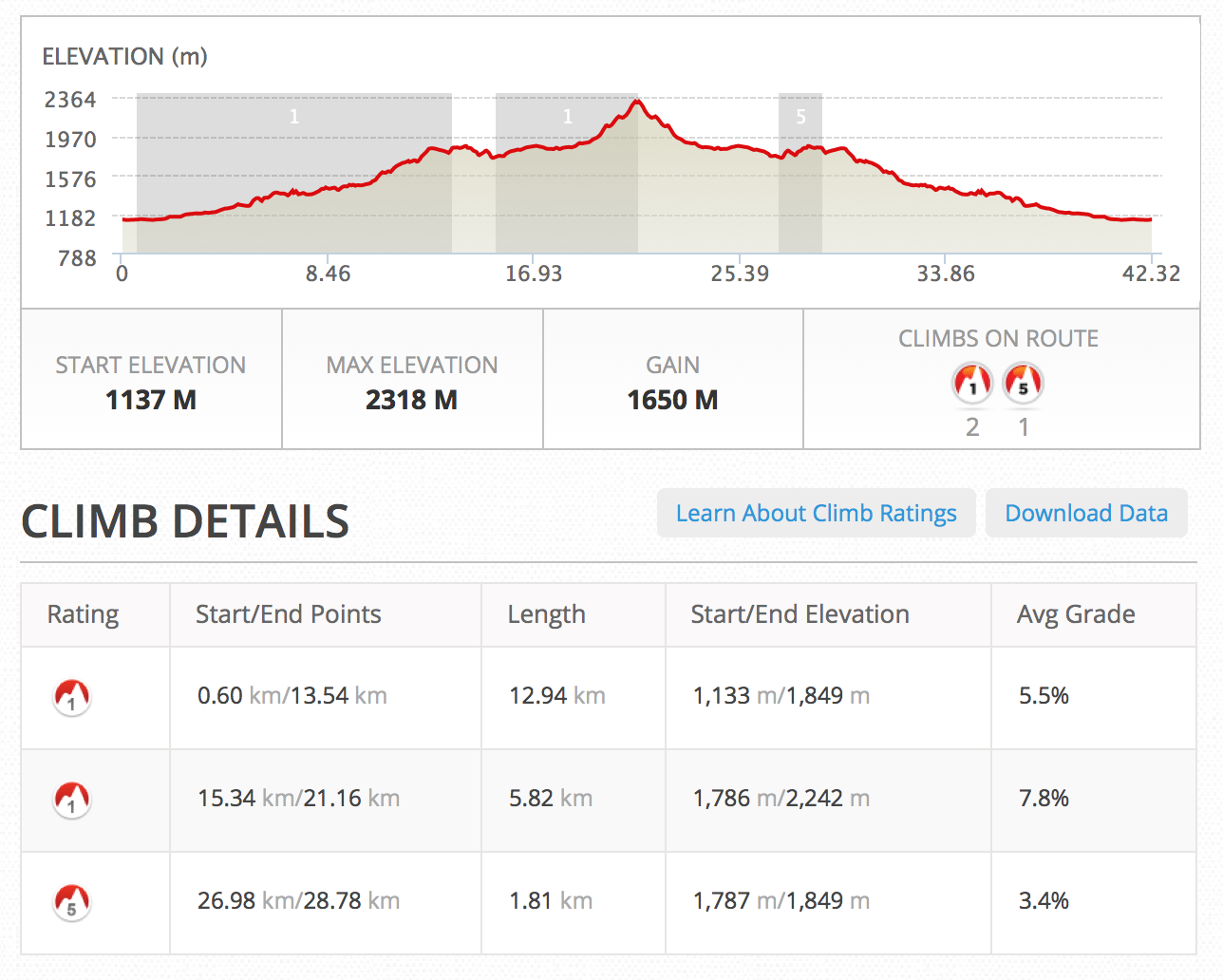
You certainly noticed the long way up, 1650 m of elevation gain, with two category 1 and one category 5 climbs. Sounds very hard but you know what they say: the more impressive your challenge, the better your chances of a successful fundraising. You may have also noticed the ridiculous maze-like beginning, included just to reach the marathon distance. ‘Why not extend the course one more kilometer from the final point?’ – you may ask. Well, that final point was meticulously planned to be the highest point of that track. If I went a few hundred meters further, then I’d have a steep descent that would need to be climbed back. No, I didn’t want to make it any harder than already is.
To be honest, I don’t really know whether I can run that last bit or not. I’ve been on a bike for most of that course before, but the last climb from kilometer 18 to half-marathon mark is unknown to me. I guess I’ll have to check that on the day. I can always make up for the distance by running past Benasque and then coming back. But anyone that has had the chance to race in a course that you pass in front of the finishing line and still having a few kilometers to run knows that it is no fun.
By the way, I went for the lamb! 😉
* Since I published this post the course has been changed to make it easier for people to run parts of the marathon with me. The final map can be found here.
It is (also) in your head
A few months ago I watched a TV show about the Transgrancanaria race. If you haven’t heard about it, it is a 125 km race with 8500m of elevation in the Island of Gran Canaria. The participants start at 11pm (yes, pm!) with head torches on and have 30 hours to complete this incredibly hard course.

Elevation profile of the Transgrancanaria (from the official site: http://www.transgrancanaria.net/en/race_cat/transgc/)
The 2015 winner was Grinius Gediminas, from Lithuania, finishing in 14:23:37. I got curious and checked their website for the official results and immediately looked up for Australians and Brazilians in that list. The first (and only) Aussie to finish was Brendan Davies with a time of 18:23:49. Not far behind came the first Brazilian, and fifth woman, Manu Vilaseca with the time of 18:42:59. If you can read in Portuguese (or if you don’t mind the poor outcome from online translators) check Manu’s truly inspiring description of her race here. I also tried to find Brendan’s report on the race but could only find his insightful updates on his training.
But what really made me write this post was not Manu’s nor Brendan’s success stories, but a post on the DNF (Did Not Finish) story of Stephanie Case in the very same race. I love reading race recaps and Stephanie did a particularly good job with this one in her blog Ultra Runner Girl. While reading, I could almost feel her pain as I pictured her struggling along the intimidating hills that I had seen on TV. More than transporting me to the race day, she touched upon an interesting point: the confidence that ultrarunners develop on their ability to complete races regardless the amount of training. It is all in your head.
This reminded me of a chat that I had earlier this year during one of the Can Too training sessions. It was a group with only women and I heard them complaining on how men think that they can do pretty much any physical activity without much preparation. Half marathon? Oh, yeah, I could do that tomorrow. Yes, I’ve noticed this behaviour in groups of young guys but it is quite the opposite when dealing with men that haven’t exercise in a while. It is a matter of confidence or the lack of it, not of gender. I would say that over the course of a training program, these two groups learn different things: the first learns about their limitations, the second about their strengths.
The lesson here is that just confidence and mental strength may not be enough to get you through the finish line. It is not only in your head, it is in your legs as well, and they must be prepared.
Run, Parkrun, run
This post could as well have been called “Do as I say, not as I do”.
“Negative split! Last half faster than the first.” “Don’t burn yourself in the beginning, finish strong!” “That’s how records are made!” How many times have you heard your coach saying this? How many articles and blog posts have you read about this? And yet, how many times have you disregarded this wise advice?
Sometimes when I’m coaching the Bilbys’ Friday night swim squad, I ask the athletes to swim a distance, say 150 m, in the pattern easy/medium/hard, and time them. At the end of the distance, the athletes look at the board and can’t believe that their easy lap was as fast or even faster than their hard lap. This happens all the time! You start fresh, you don’t feel the effort. You have to deliberately slow yourself down in the beginning.
But one thing is to fail to pace yourself, another is to knowingly push yourself in the beginning of your activity. Even worse, plan a 5km race in the middle of your long run! And I, ashamedly, have to admit, that’s what I did yesterday. Well, in my defense, it wasn’t all planned…
Yesterday was the last Saturday before my trip and the last chance to fit a long run before the first marathon. After my long with hills last week, I wanted something less demanding in terms of effort, although a couple of km longer. I could have gone for a double loop close to my place but, instead, decided that going south towards Lake Ginninderra would make a more interesting course. But Saturday is also Parkrun day. Parkrun is a free, weekly, 5km timed run. It is open to everyone and happens all around the world. Here in Canberra we have three options: Gungahlin, Lake Ginninderra, and Tuggeranong. I thought: “Why not combine my long run with the Lake Ginninderra Parkrun?” It would be a great opportunity to catch up with friends that are not up to the long distances. So I told some friends that if they were interested in a social timed 5 km run, I’d be at the start line at 8:00 am. No one confirmed but I had a couple of “maybes”. So, that was the plan: 12 km to Lake Ginninderra, 5 km easy Parkrun, 12 km back, and an extra km close to home to make the total 30 km distance. As you can see, I didn’t plan to mess up with my long run.
I woke up early but somehow managed to leave home just a bit later than I expected. I was already outside when I felt my wrist a bit light… “Wait! Where is my Garmin?” Back inside to get the watch… OK. Ready to go again. It is just a matter of time until the GPS finds the signal and… “Wait! I can’t feel my hands! Where are my gloves?” Back inside to get the gloves… “Where are they? I was sure they were here!” OK. Third time ready. You are not forgetting anything, are you? Oh, yes. It is a 30 km run and you need… food! Forgot my muesli bar on the kitchen bench (wasn’t in the mood for gels). I somehow lost 10 minutes in these mishaps but I finally left home under this beautiful sunrise (at 0oC).
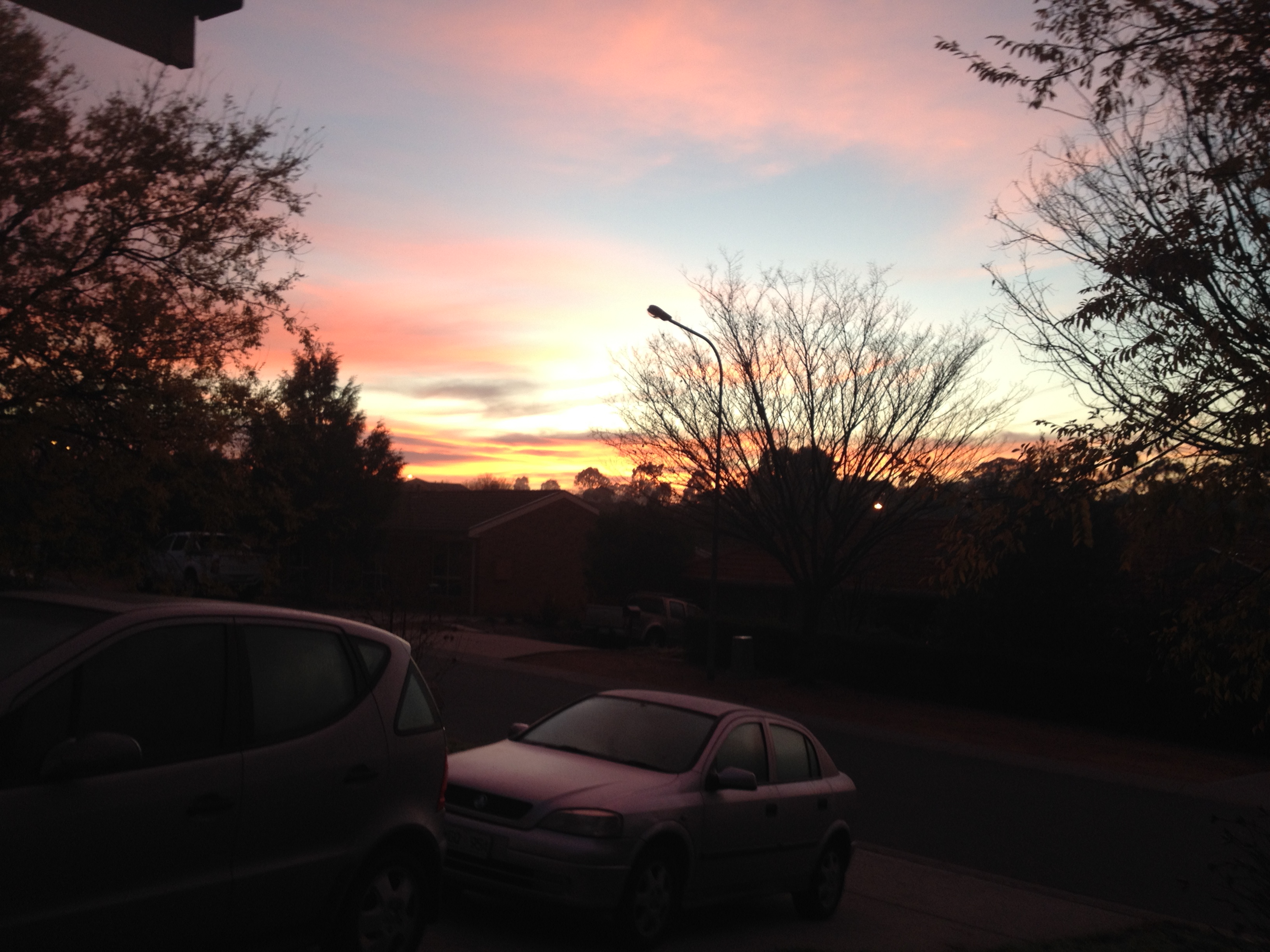
Leaving home a bit later than originally planned.
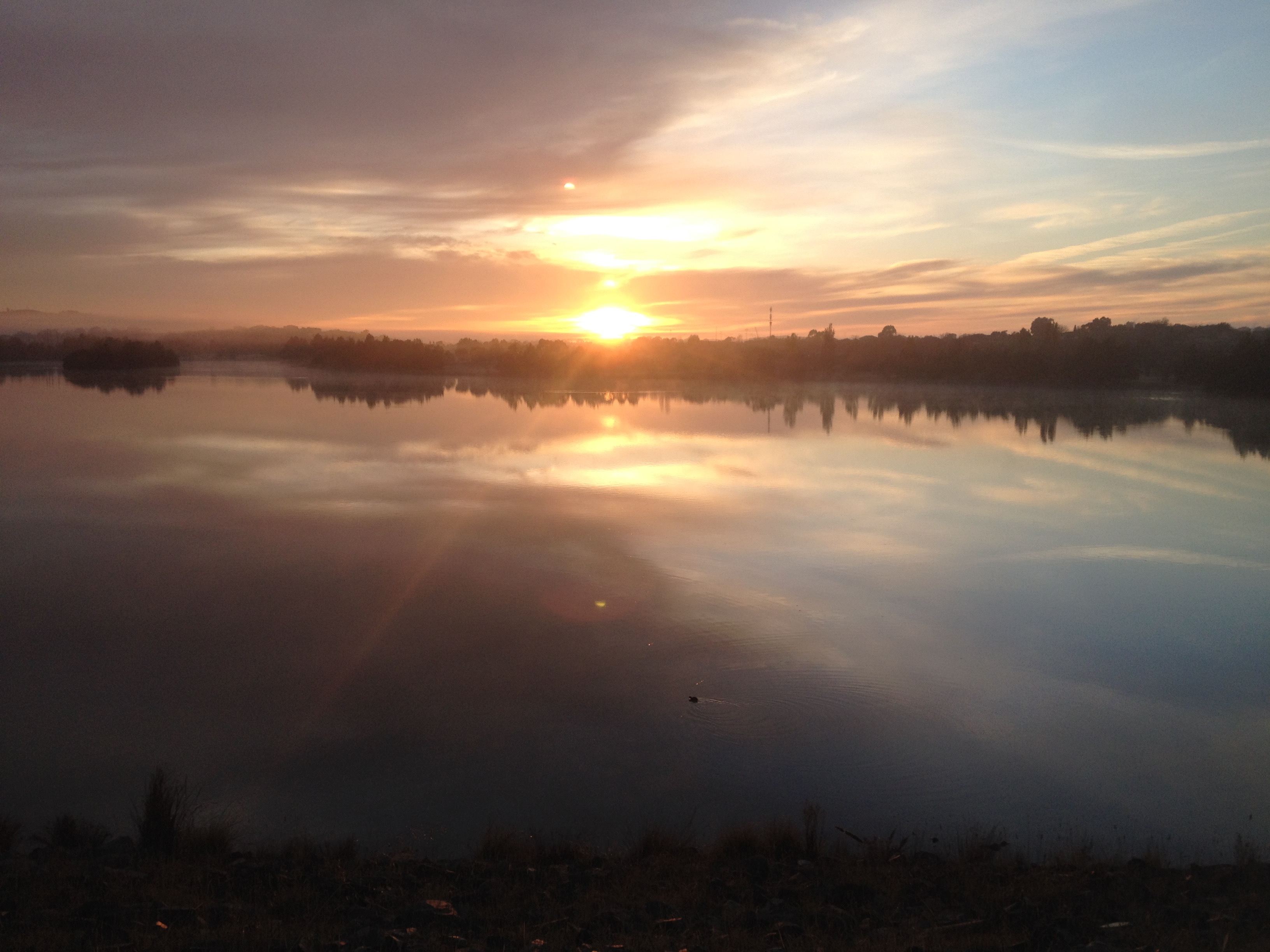
With the cold breeze, it took me 3 km to start feeling my face again. Come on sun, get up!
With the delay I was left with only 50 minutes to get to the start line. I wouldn’t be able to cover 12 km at the planned 5 min/km pace in time, so I took the shortest possible path to Lake Ginninderra. That saved me almost 2 km. To be on the safe side, I also decided to go harder in the first half of my long run, but still not that hard. Got to Lake Ginninderra with 7 minutes to spare but none of the “maybes” were there. The atmosphere, as always, was great and I was already praising myself for the wise decision of breaking the long run and being able to share the path with other runners. However, besides babies in prams, dogs on leashes, and kids running with their parents, there were also those looking on improving their PB. And that is dangerous because you can get carried away… and I did.
As soon as the race started I found myself following some fast people. My Garmin beeped and warned me: “3:46 in your last km”. I could have had two reactions: “Wow, too fast for what I have planned” or “Wow, can I run in under 20 min?”. That is one of the risks of getting addicted to our gadgets and the stats they provide (you may reconsider taking your GPS for every run or ride after reading this great post from the “Fit is a Feminist Issue” blog).
My reaction? Well, I slowed down, but just a bit. It was clear that I wouldn’t be able to sustain a pace under 4min/km, but that 10 year old kid in front of me kept me going at a decent speed. In the end I finished in 21:36, chatted with a friend, ate my muesli bar and headed back home.

Finishing the 5 km run. Photo from the Ginninderra Parkrun Facebook page.
That’s when all my mistakes came back to haunt me. The legs felt really heavy from the start and I knew I had to endure another 14 km along the (not always) gentle uphill towards Gungahlin. I hate when I’m much slower than I can be and felt like cutting it short. “Maybe 26 km is OK today”, I thought. I’m glad I didn’t. A lot of the benefits of the long runs happen at the mental level. You learn to be resilient, so I sucked it up and took a left turn towards the longer and hillier course option. From the 24 km I was again enjoying the run. I had learned to accept my slower pace, was appreciating the views, and this song from The Bamboos kicked in my playlist.
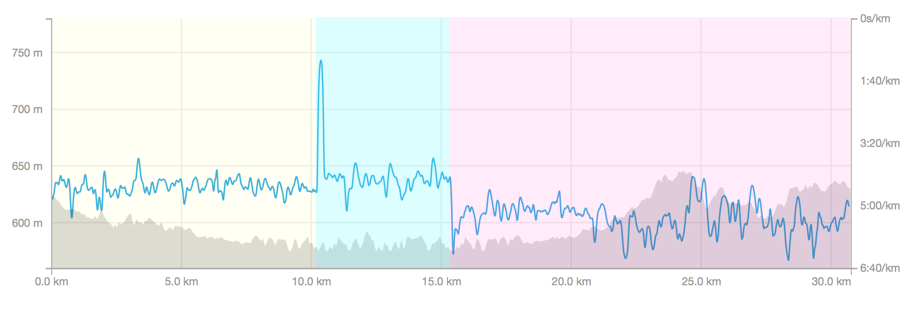
Pace and elevation profile from my run divided into the 3 stages: out (yellow), Parkrun (blue), and back (pink).
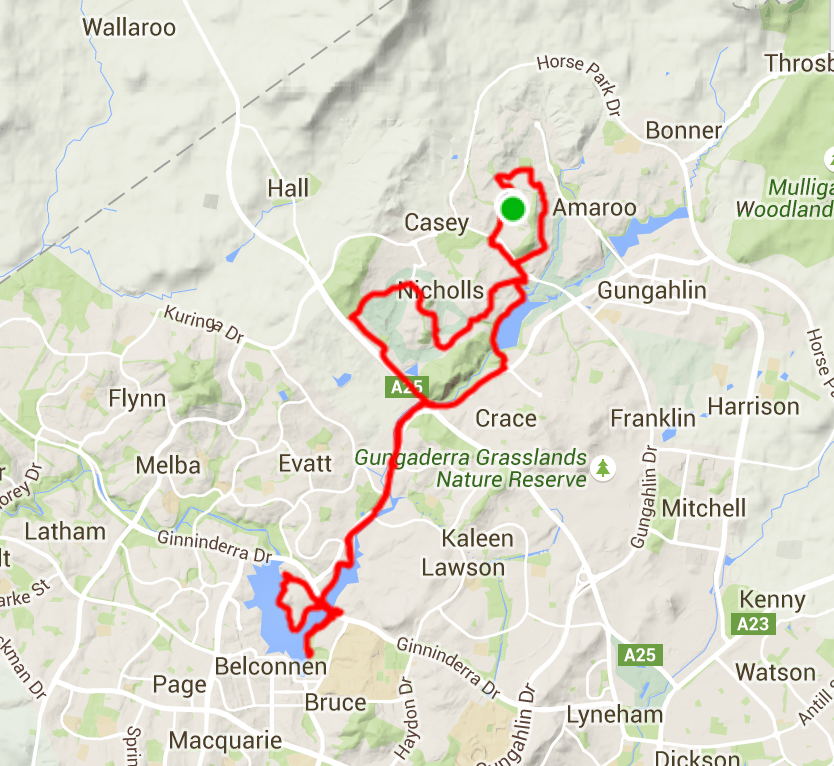
Last long course before the first marathon!
Running on very tired legs was a valuable lesson, especially considering that this is a very likely scenario for the many kilometers that are ahead of me in the next year.
Make my map!
I went to bed last night trying to come up with a way to encourage people to donate, and also thinking about the maps that I have to make for my non-official marathon runs. To deal with both issues at the same time, I came up with an idea that I called “Make My Map”. The game works as this: if you contribute with at least $10 to my fundraising here, you can submit a map for my second marathon that is going to be in July, in Canberra. You can use Strava, MapMyRun, Garmin, or whatever your favourite platform for creating maps is. You can be mean and create a hard marathon course for me (please don’t), or you can show how creative you are by making the most original and fun marathon course ever!

That’s a seriously cool map. Here is a link to the original post.
There is even a blog dedicated to this weird form of art! The giraffe map above is from the “Sketchbook of a Strava Artist” and can be a source of inspiration for those planning to help me with the maps (and with the fundraising 🙂 ). We at the Bilbys Triathlon Club also tried to unleash the inner Strava artists in our members with this post on our Facebook page:

This would have look much cooler if I hadn’t posted the giraffe map before!
Back to the Make My Map game. As in any game, there must be rules. Here they are (especially designed for the mean people out there):
1. The course should be no shorter than 42.195 km (that was obvious), and no more than 45km (I’m giving you room to be creative).
2. You can create an “out and back” course or a “loop” one (can be as complicated as the giraffe), so that the starting point and the finish line are the same.
3. You can make me run over different hills but no, you can’t make me run up and down Black Mountain until I complete 42.195 km! This rule is valid for any other nasty hill in Canberra!
4. I can, at any time, add extra rules if the ones above are deemed to be insufficient to avoid extremely nasty and potentially body-destroying courses 😉 .
You should submit your course by leaving a comment in this post. The winning course will be chosen by popular vote and the winner may get a prize (I’m working on that!).
UPDATE (09/07/15): Second marathon in Canberra on 18 July. Can you create a course for this one?
Oh, those crazy inspirational people!
On the weekend a friend of mine lent me the book “All the way around”, about the adventure of a man that circumnavigated Australia in his kayak. I love this kind of book ever since I read “Cem dias entre céu e mar” (“100 days between sea and sky”) from Amyr Klink, back in my school years.

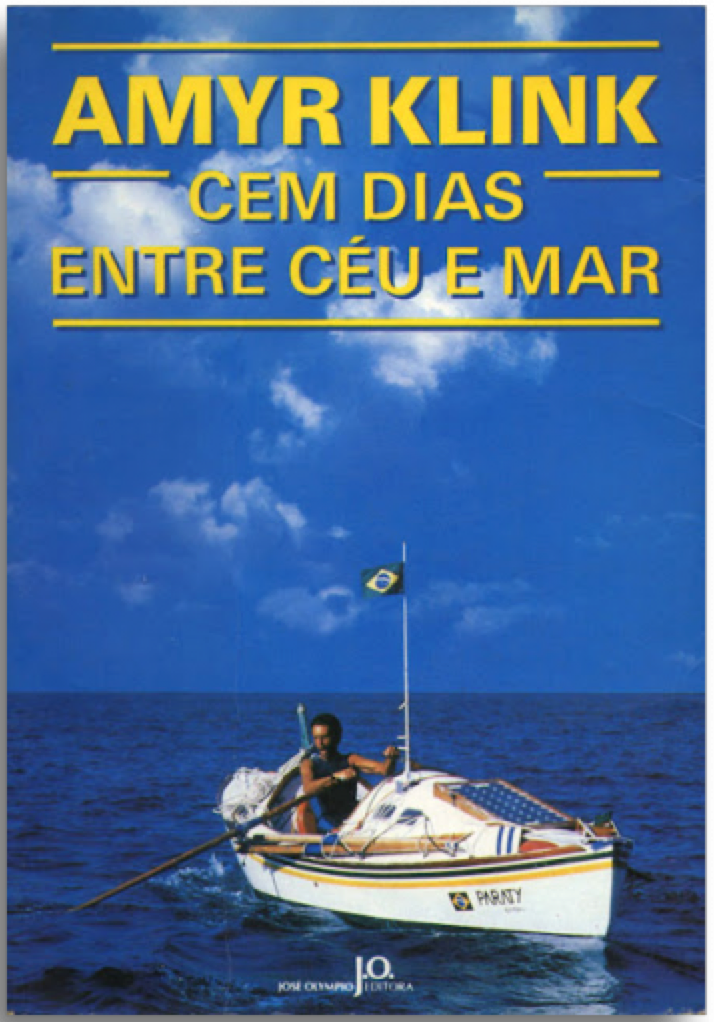
Today, another friend sent me an e-mail with the subject “Pega ele, Dedé!” (“Catch him, Dedé!”) and a link to this article. It is about David Alley, the fastest person to cycle around Australia, that is now trying to be the fastest person to run around Australia! Wait, wait, wait! Fastest to run? That implies that he is not the first, otherwise the journo would have written “the first person to run around Australia”.
Indeed a quick search on the internet shows that David wants to break the record established by Pat Farmer in 1999, and that other people have done that as well. I understand this fascination about islands and circumnavigation. In my teenager years I would go to the “Pontal Island” in Arraial do Cabo to surf and once I couldn’t resist and paddled around it. There is just a small difference: Australia is a bloody big island!

“Pontal Island” in Arraial do Cabo – RJ (Brazil)
David’s challenge is pretty impressive and I wish him success not only with the record, but also with his fundraising for awareness of mental illness through the White Cloud Foundation.
You can follow his run in his website. This is his progress so far:
 .
.
Talking about fundraising, have you given your contribution to cancer research yet? Visit http://www.cantoo.org.au/fundraisers/AndreCarvalho
Marathon #1 location unveilled
It took me only three weeks, from the moment I had the idea of running twelve marathons in a year, to write my first post on this blog. It was just the time to tell my wife about it, having my mental sanity questioned by the family, and getting their green light. Shortly after, I was being pushed, I mean encouraged, to write a blog about it (my wife is a journalist… 😉 ).
As you can imagine, there hasn’t been much planning put into it. But I haven’t been too worried about it because in April, after a five years hiatus, I finished my third marathon at the Australian Running Festival, beating my PB by almost 15 min.! I also raced the whole ACT triathlon summer series and have been consistently training with the Bilbys (I’m a proud member of the Canberra Bilbys Triathlon Club and was through their novice program that I became a triathlete). So, I’m not starting from scratch but it is about time to start planning at least the first few events.
As I mentioned in the FAQ, I’m not going to be traveling around running official marathons, but will select a few events and fill in the gaps with runs measured by my GPS watch. However, I will be traveling for work in the next few months so I thought: “Why not run some of the marathons while I’m away attending conferences and workshops?” Well, the first destination is… Benasque, Spain!

On my way to the Portillon de Benasque in 2011.
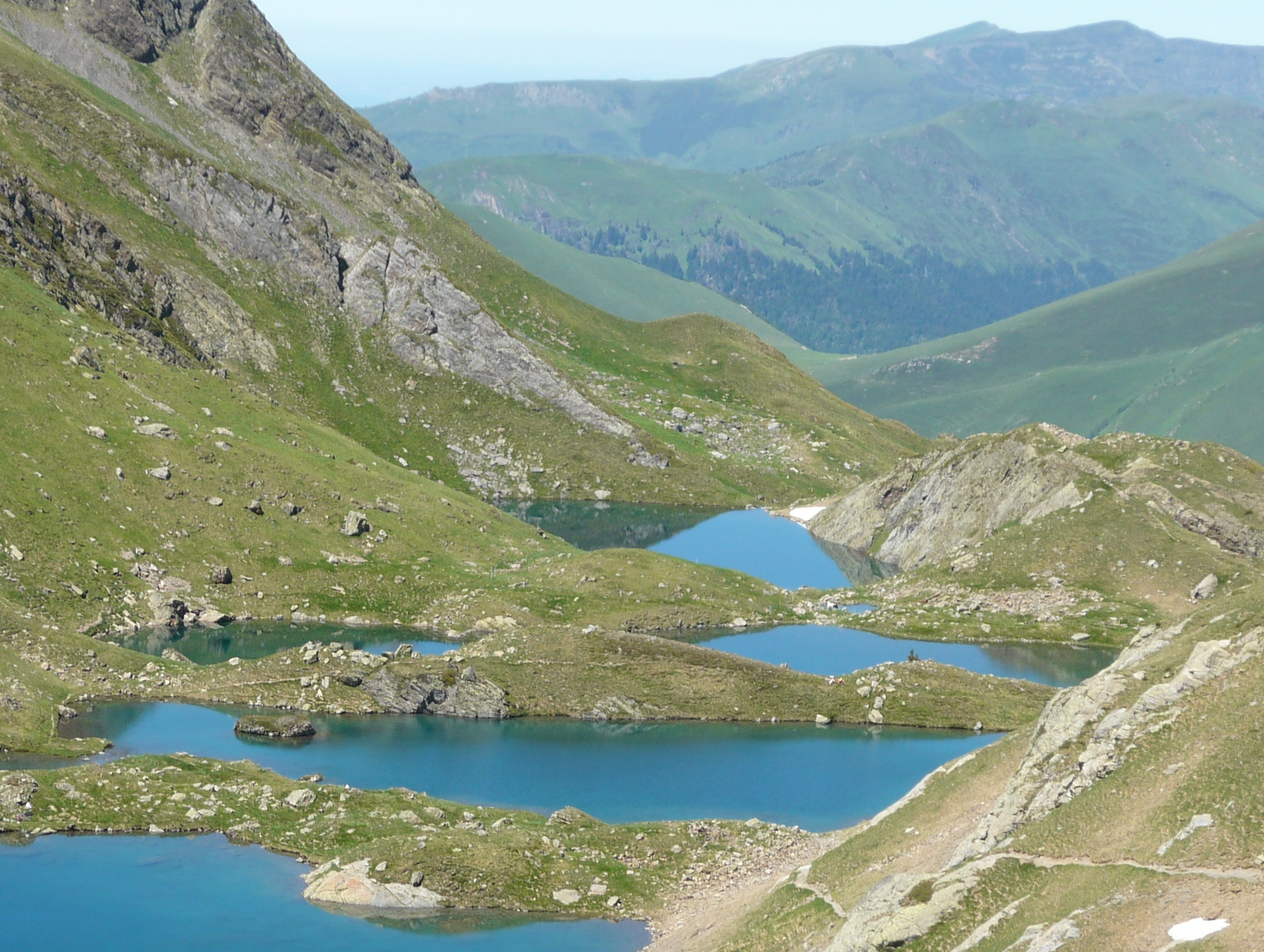
View from the lakes on the French side of the Pyrenees.
I’ve been to Benasque a couple of times, in 2011 and 2013, for this biennial workshop on quantum information. The “Centro de Ciencias de Benasque Pedro Pascual” is the perfect place to do science: great people with similar scientific interests put together in a welcoming building with blackboards along the corridors and internet access. All that a theoretical physicist needs 🙂 !
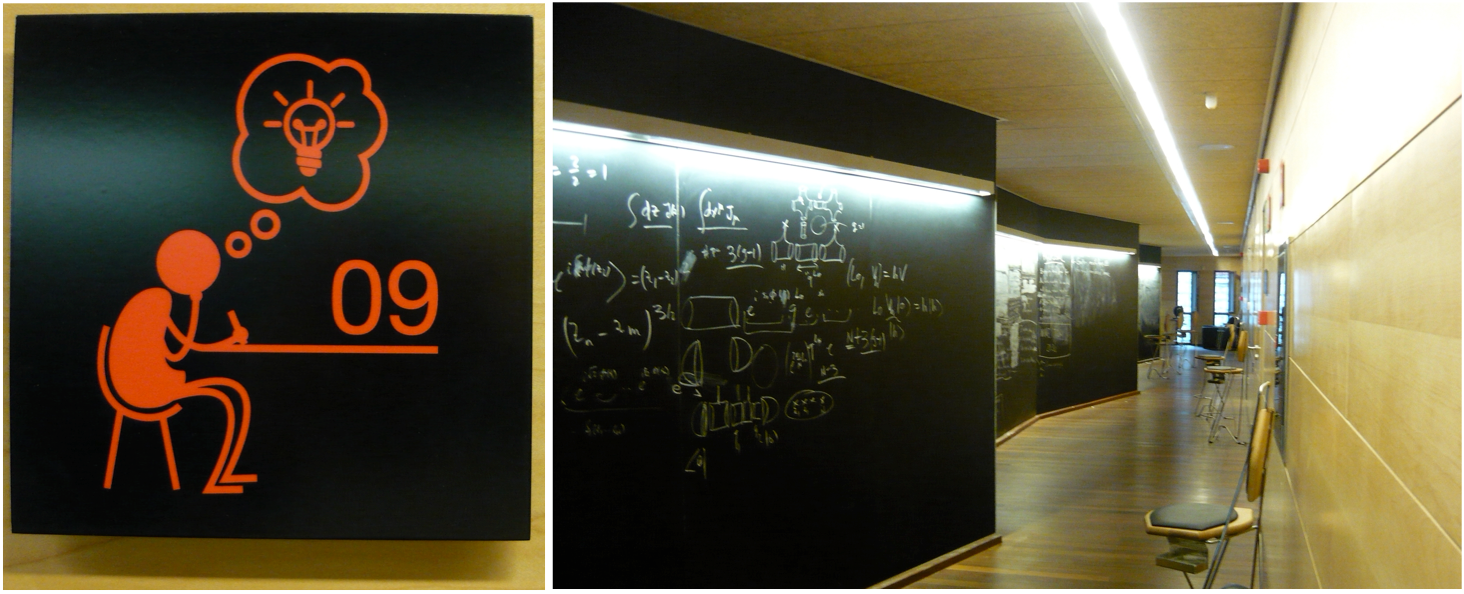
I have an idea! How about combining work and my marathon challenge?
On top of that, the little village lies at the Spanish side of the Pyrenees and offer amazing options for those interested in outdoor activities in the free time. In 2011, we hiked to the French side passing the Portillon de Benasque. After a quick “swim” at the freezing lake we went to the little Refuge de Vénasque to grab some food and beer!
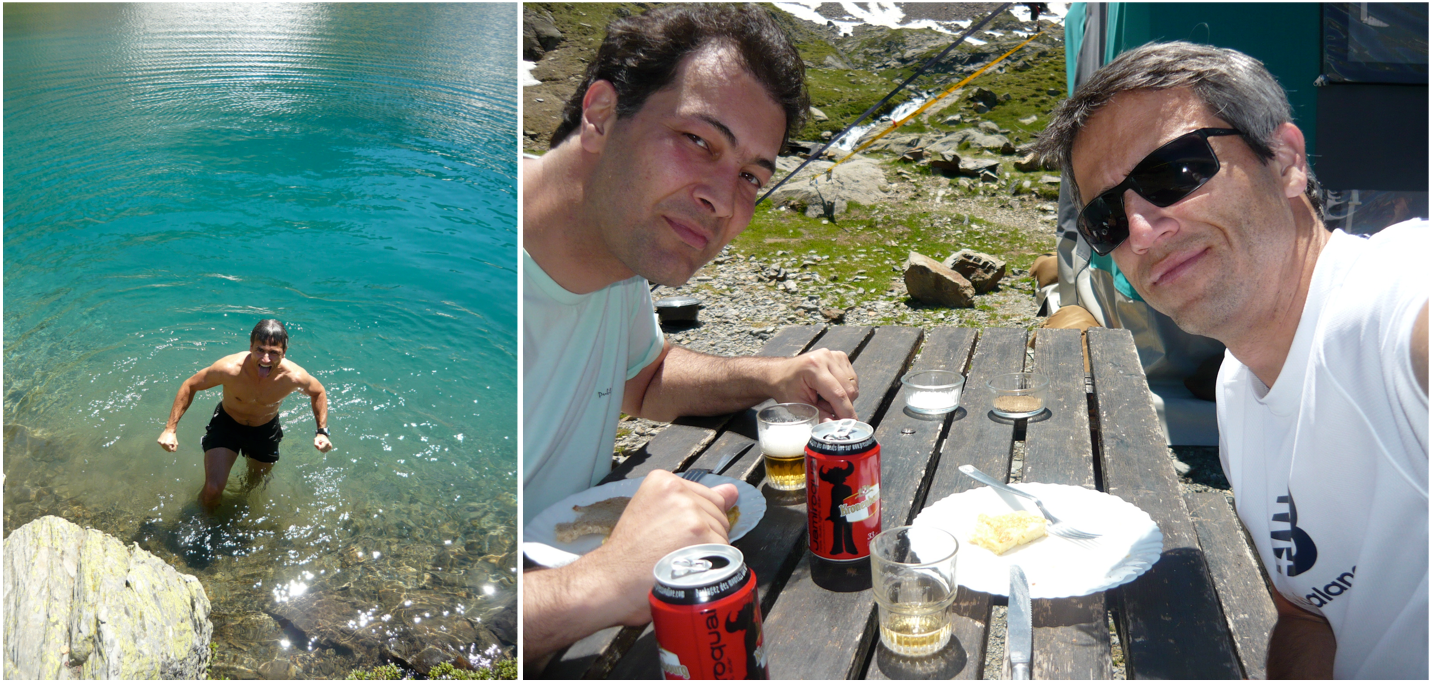
In 2011, my friend Terra Cunha and I hiked to the French side of the Pyrenees. The swim in the freezing water was a shock! But we were rewarded with beer and food at this little place by the lakes afterwards.
In 2013, it was the turn of Ruynet, my PhD co-supervisor back in 2002, to join me on a mountain bike ride from Benasque to the Hotel Spa Hospital de Benasque. Nothing technical, just a long ride with a “few” climbs. Even longer with our bad navigation, wrong turns, a flat tire, and stops for photos, or simply enjoy the view. Having ridden for almost 5 hours to reach our destination, we devoured the sandwiches we had prepared earlier and quenched our thirst with the cold beer served at the little shack.

One of the stops to contemplate the view on the long ride to the Hospital de Benasque.
In 2015 the plan is to fill part of the free weekend with the marathon (check the events calendar for the dates). The final route hasn’t been decided yet but I have some ideas. I found this website called Wikiloc that has lots of trails and mountain biking routes in that region. At the moment, I’m tempted to start my marathon challenge in style! The idea is to start along the same mountain bike course we did in 2013 but adapting it to fit the marathon distance. It would be something similar to this map. If I choose this route, it will be a though first half climbing all the way from an altitude of 1150 m to almost 2300 m. The advantage is that the second half will be a breeze. A negative split is almost guaranteed! If you know of a good route around that region, please let me know. I’m open to suggestions!
Here is the link to some of the activities I did there in 2013:
Benasque to Cerler (9 km)
Benasque to Cerler 2 (9 km)
Ride to La Besurta (Hospital de Benasque) — many stops, wrong turns… (25 km).
Ride back from La Besurta (Hospital de Benasque) — mostly along the road (16 km).
Benasque to Linsoles (12.5 km)
Beyond Cerler — That was a good one! (20 km)
Run or pancakes?
As I’ve mentioned in this post, my usual strategy for minimising the effects that long training sessions have on the family life is to start early, really early. The girls like to sleep until late on the weekends so there is a big chance that when I’m done with my training, they are still sleeping or have just woken up.
I usually wake up by myself, no need for an alarm clock (unless a pre 6am start has been planned…). Having nothing planned for after the training, I decided to start whenever I woke up. 7:37 it was! Quite late, but given the freezing morning temperatures in Canberra, I thought it was actually a good outcome. A few minutes later and my wife woke up as well:
— Good morning love.
— Good morning. Going for a run?
— Yes.
— What is the temperature outside?
— Let me check… -2.5
— Brrrrr! Are you sure you wanna run now? I’m hungry, I think I’m gonna make pancakes.
I’ll be honest with you, I’m not really a big fan of pancakes but the word “pancake” is one of the few things that can take our 13 year old daughter out of bed before 9am on a Saturday. It was a choice between running in this weather
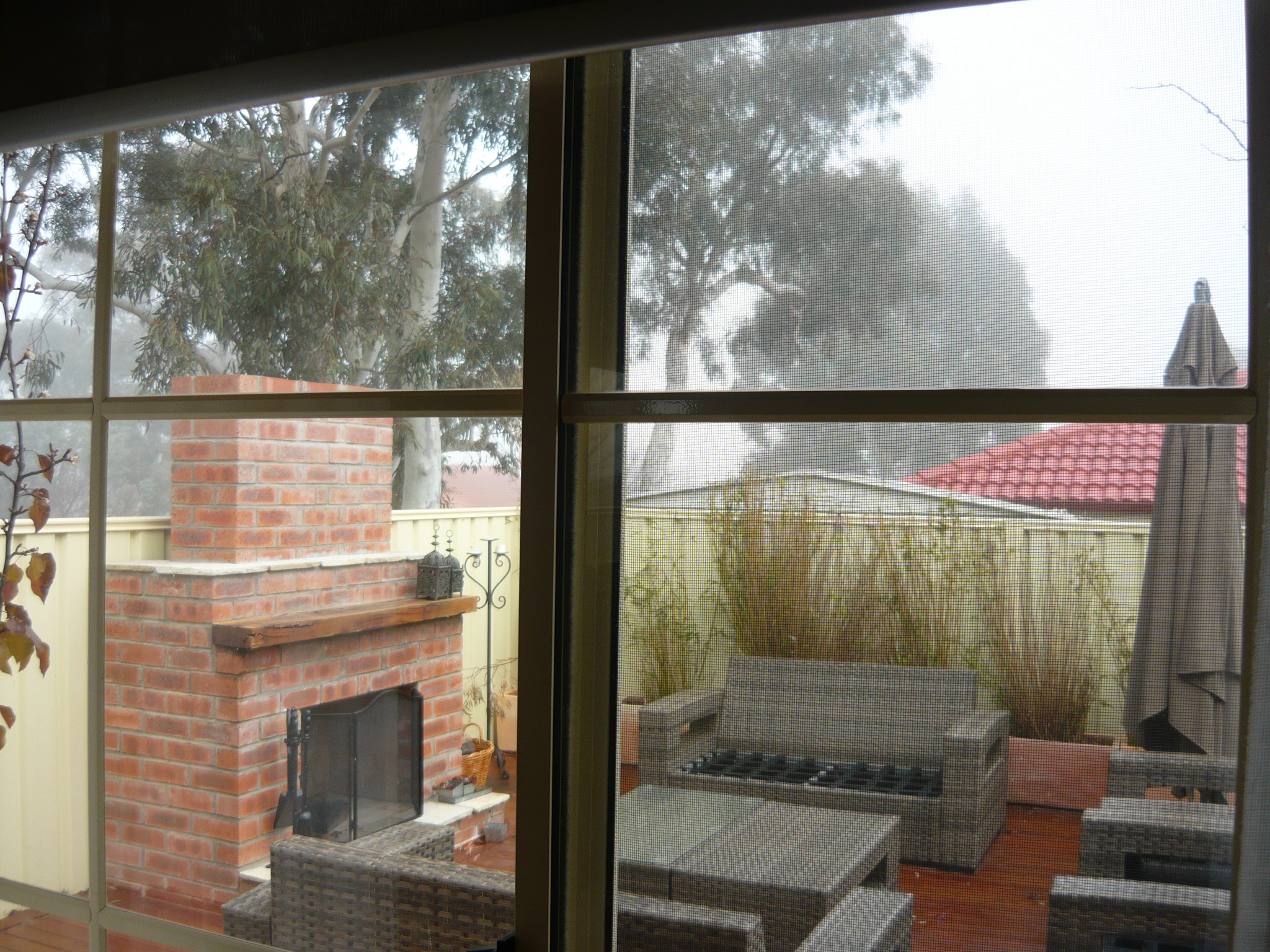
Really Canberra? -2.5oC and foggy?
or a family breakfast like this

Yummy!
And the winner was…
…the girls and the pancakes, of course!!!!
It turned out to be a wise choice. With a maximum temperature of 11oC today, the conditions at lunch time were perfect. Dry, cool, and sunny!
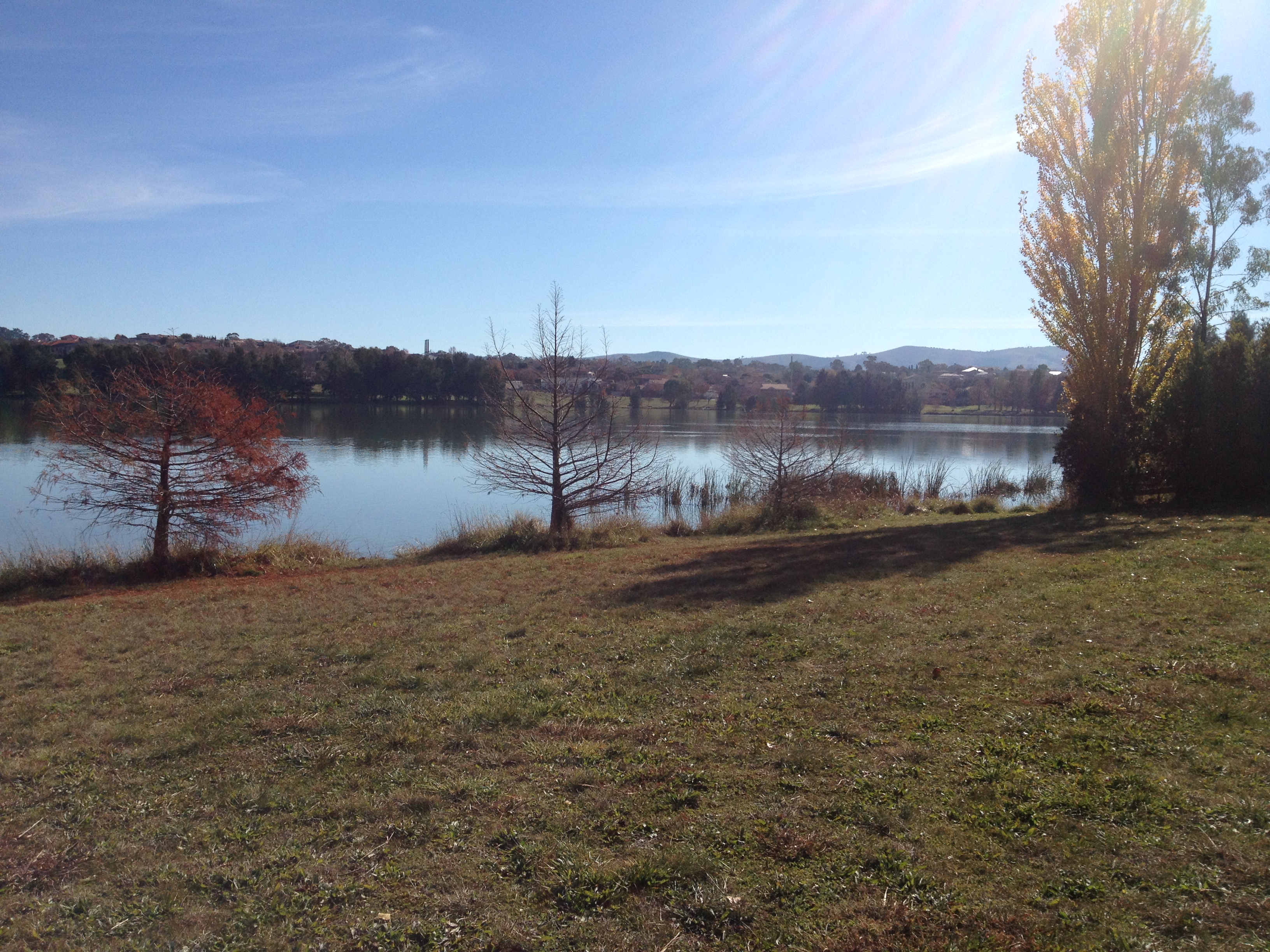
Quick stop at around the 6 km mark for a photo.
It was such a beautiful day that I decided to take our dog, Mel, with me. She is a big dog and gets really excited when she sees my running gear. No, I mean REALLY excited (I’ll make a video next time and you’ll understand). Mel’s longest distance running so far is 13km, but that was a few months ago and I haven’t been exercising her much recently. I took her anyway, knowing that I should probably do a shorter loop at the beginning of my long 28 km run and drop her home after a few km. I left not knowing the exact course we would do, just feeling like hitting some hills. That was my strategy: at any bifurcation take the road with the steepest climb, unless it would take me back home.
When we reached the first lake, after just 3.5 km, Mel gave the first signs that she wanted to go home. Made me stop for a little wee and when she was done, she turned back. Oh, no way! I pulled her and she continued at a slower pace. It was like that for another km but she forgot that she was tired when she saw the birds by the lake. Mel wanted to chase them all. It was my turn to hold the pace. She ran for 8.5 km and ended up like this…

Mel after the run. It is not as bad as it looks. When I got home she was ready to play fetch!
…a very tired dog. After the short break, I continued in my search for hills for the remaining 19.5 km. I went all the way to Bonner (see map below) just to check how Jiri, a colleague from work, was doing with the house he is building. The house is at the top of a hill and that was perfect for my “hit the hills” goal (see the peak at 17.5 km in the elevation profile). By the way, his bamboo flooring looks amazing! 🙂

The map and the elevation showing some nasty hills.
I won’t lie, including hills in my long run didn’t look like a good idea in the last 10 km. My legs were hurting, the pace dropping, and the mind reminding me that this would be more or less my weekend routine for the next 12 months! Too late to turn back, I’m already in my fifth post and already got one donation! I focused on the whys I posted here, and kept going.
Run or pancakes? Pancakes then run!
 Fit it in one